Lulang Forest Sea
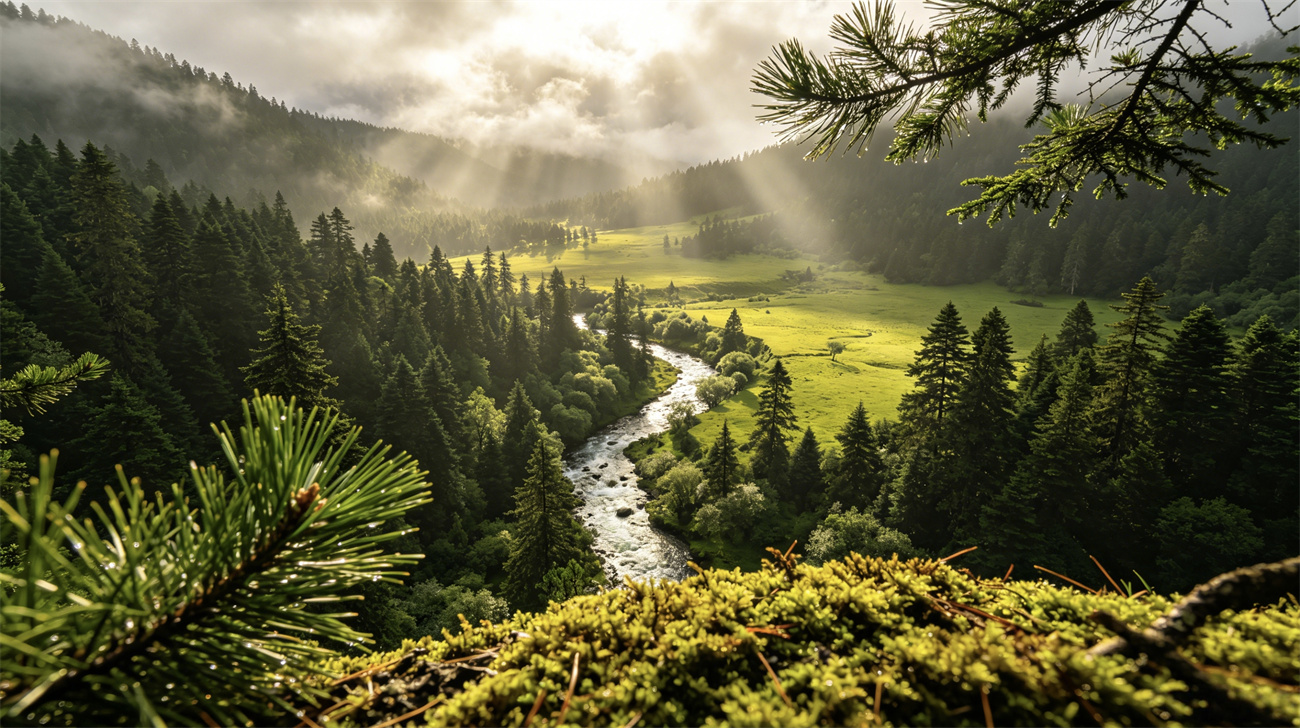
Nestled in Lulang Town, Bayi District, Nyingchi City, Xizang Autonomous Region, Lulang Forest Sea sits at the heart of the seasonal national forest park, roughly 80 kilometers away from downtown Nyingchi (Bayi Subdistrict). The China National Highway 318 cuts across its territory, marking an iconic scenic spot along the Sichuan-Xizang Highway and a key node on Xizang’s cultural and tourism route. Meaning “Valley of Immortals and Blissful Abode” in Tibetan, Lulang has long been hailed with the local saying “Even immortals would linger and refuse to depart”. Reputed as the “Jiangnan of Xizang”, it earns renown for abundant natural oxygen and diverse biological resources.
Stretching for 15 kilometers in length and an average of 1 kilometer in width, the resort features an alpine meadow valley terrain with elevation ranging from 2,700m to 4,200m; its core viewing peaks stand at 4,260 meters above sea level and the regional average altitude hits 3,700 meters. Benefiting from temperate semi-humid alpine monsoon climate, the area boasts ample precipitation, flourishing vegetation and a 55.1% forest coverage rate, ranking among Xizang’s largest and best-preserved primeval forest clusters.
1. Four-Season Primeval Forest: The site features intact vertical mountain vegetation belts, layered with azalea shrubs, blue spruce, cloud fir, cold spruce and alpine pine primeval woods ascending from valley floor up to mountain ridges. The sprawling forest sea shifts its palette across four distinct seasons: tender green in spring, lush emerald in summer, fiery crimson in autumn and silvery frosted woods in winter.
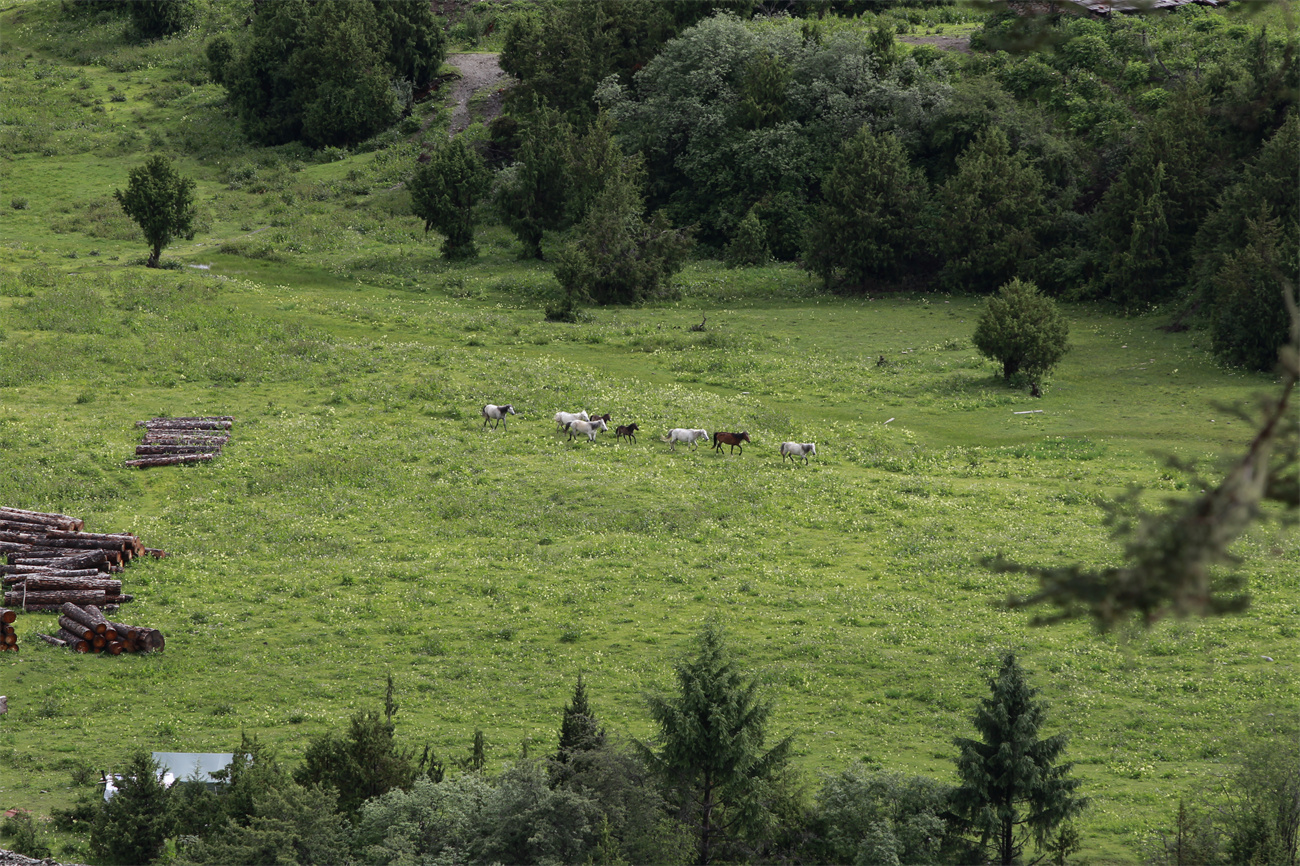
2. Alpine Meadowland: Expansive highland grasslands unfurl across mountain basins, threaded by winding brooks fed by clear spring water. The meadow blooms with potentilla, edelweiss, iris and hundreds of wild blossoms brimming with vitality. Drifting morning and evening mist billows into sea of clouds, blending organically with woodland and cropland to paint an otherworldly fairyland.
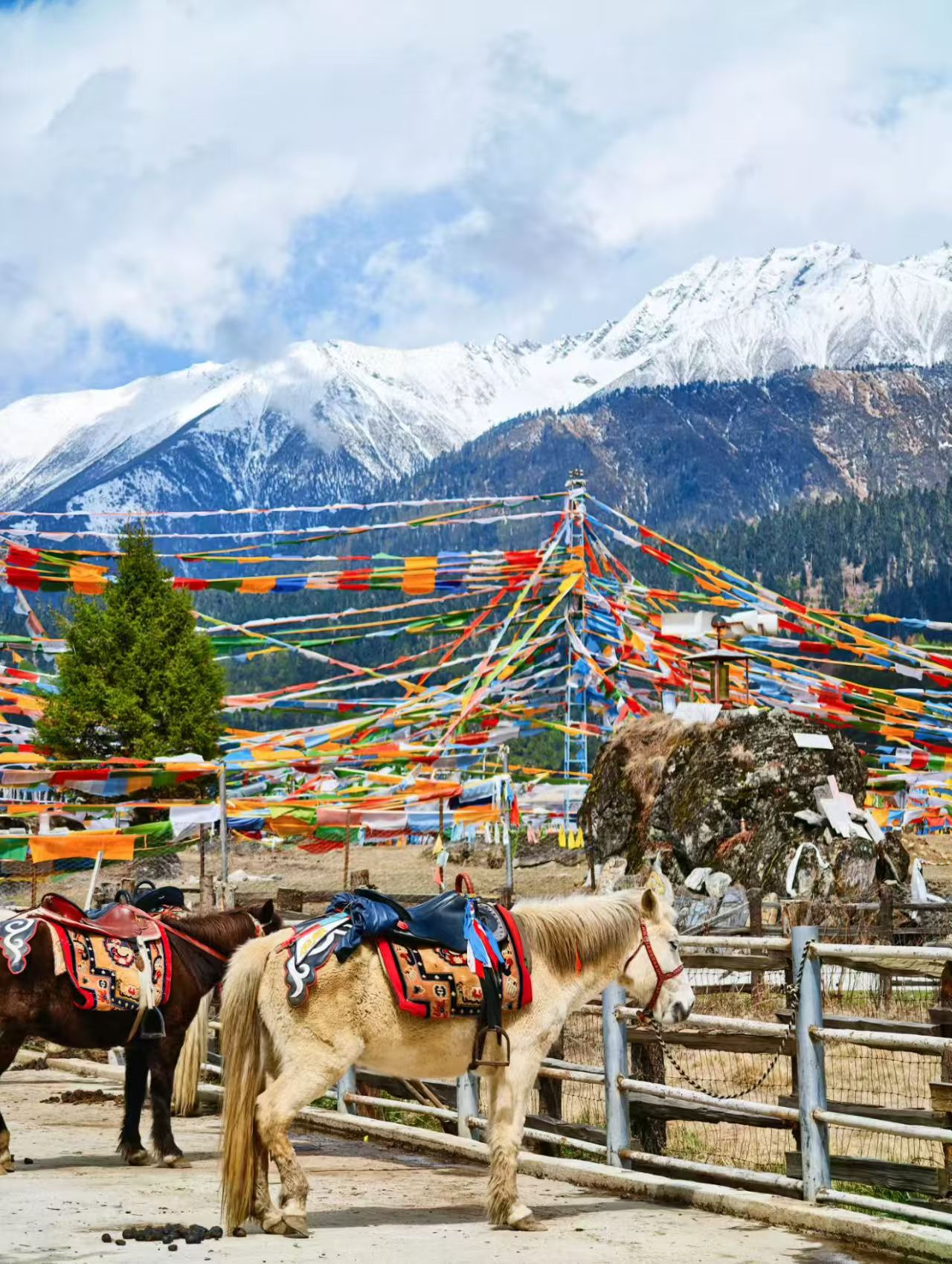
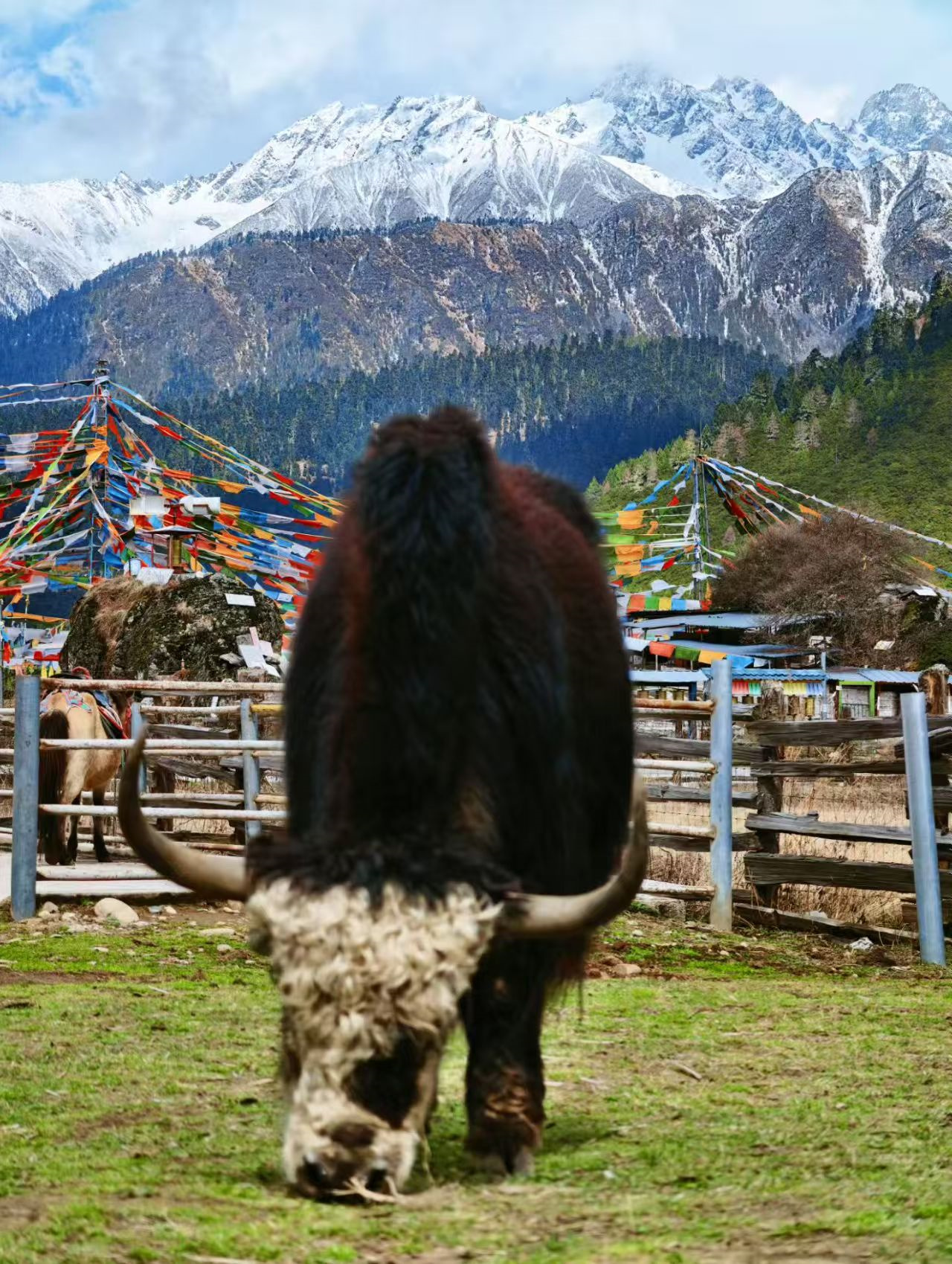
3. Sunlit Golden Peaks: Ever-shifting sea of clouds surges amid mountain mist, interweaving with forest and terraced farmlands to craft ethereal vistas. On clear days, visitors can gaze across to snow-capped Basum Peak (7,782m) and Ngarla Baimang Peak, where forest and snow summits glow side by side — a premium vantage for admiring the famed “Sunrise Gilded Snow Peaks”.
Scattered around the scenic zone are well-preserved traditional Gongbo-Tibetan hamlets including Zhaxi Village, Cuogao Village and Dongba Village, which retain authentic ethnic costumes, folk dances and festive rituals, serving as a core destination to experience native Gongbo Tibetan customs. Local residents sustain traditional agrarian lifestyles centered around wooden stilt houses, with croplands, pastures and villages harmoniously nested amid forested highlands to form serene alpine pastoral scrolls. Furthermore, Lulang is an important historic stopover along the ancient Tea Horse Road, boasting profound millennia-old caravan heritage where pristine natural scenery and profound human civilization thrive in perfect harmony.