Namcha Barwa Peak
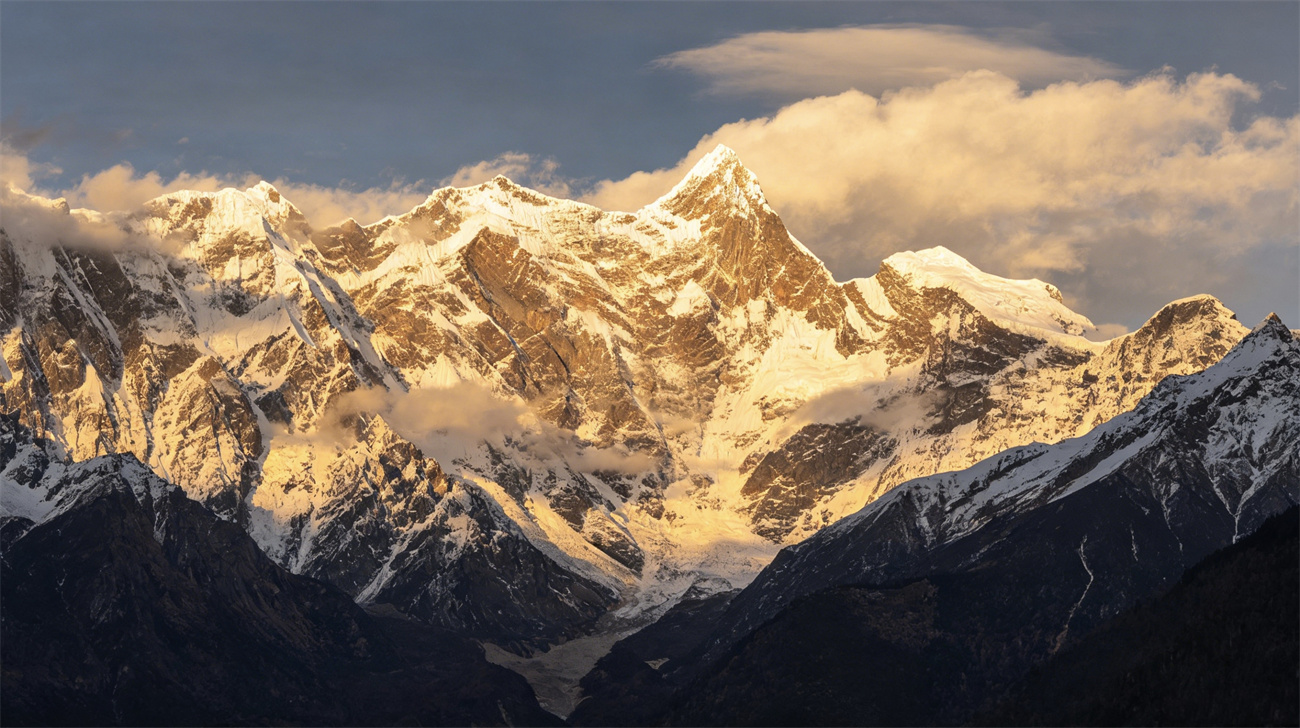
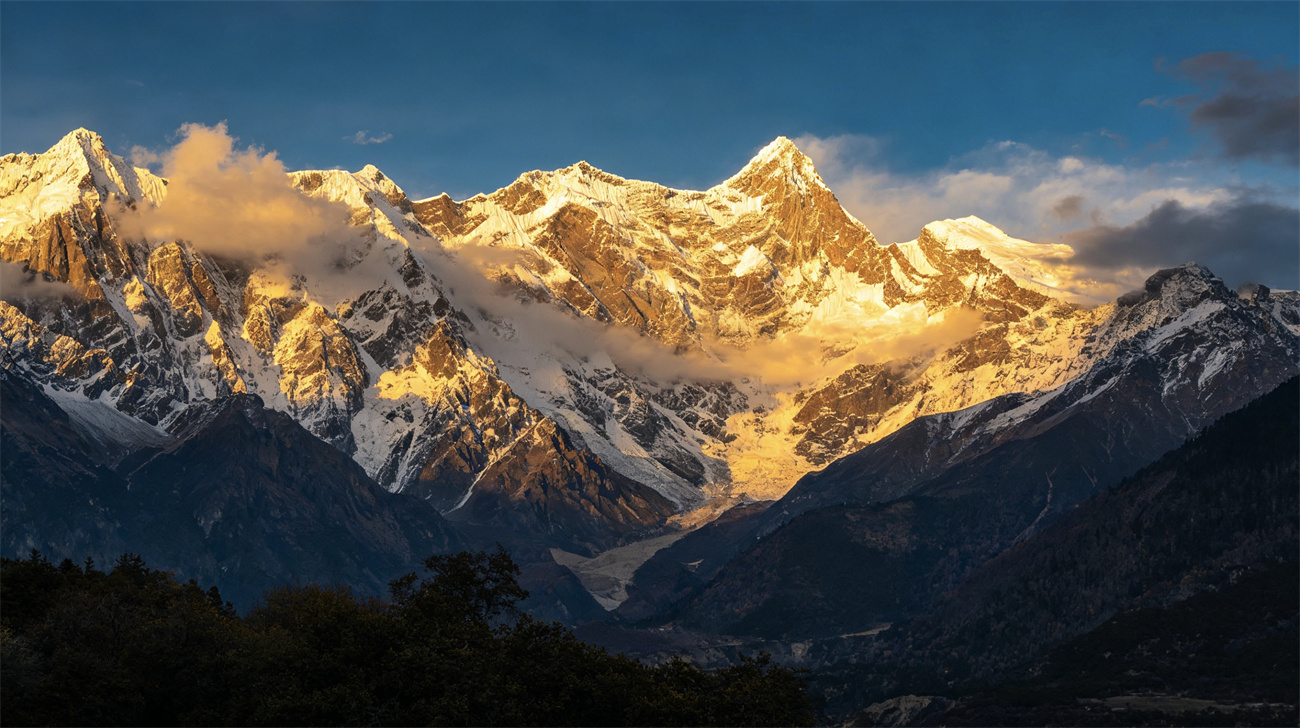
Namcha Barwa, meaning “Spear piercing the sky” in Tibetan, rises at an altitude of 7,782 meters on the eastern stretch of the Himalayas, where the Himalaya, Nyenchen Tanglha and Hengduan Mountain Ranges converge. Ranking as Nyingchi’s tallest peak and the world’s 28th highest mountain, it features a striking gigantic triangular summit frequently wrapped in thick snow and drifting mist, rarely unveiling its full outline, hence its moniker “Shy Maiden Peak”. Authoritatively named China’s Top Most Beautiful Mountain by China National Geography, it stands as an iconic landmark of Xizang’s snowbound terrain.
Formed during the orogenic uplift of the Himalayas, Namcha Barwa is dominated by metamorphic rock with three principal mountain ridges forming a rugged, precipitous terrain. Boasting the world’s largest relative elevation drop of nearly 7,000 meters from peak to river valley floor, it ranks among Earth’s steepest mountain massifs and is influenced by warm and humid Indian Ocean monsoon currents.Its intact vertical climate spectrum spans tropical to frigid alpine zones, fostering an integrated ecosystem of glaciers, primeval forests and alpine meadows, making it a vital ecological gene bank on the southeastern fringe of the Qinghai-Xizang Plateau.
1. Gilded Sunrise & Sunset: At dawn and dusk, golden sunlight blankets the entire snow-capped crest, bathing the whole mountain in shimmering amber glow and immaculate whiteness — Namcha Barwa’s signature iconic view.
2. Ever-changing Veil of Clouds: Filled with abundant regional water vapor, the peak stays enveloped in cloud mists year-round. Sometimes soft mist drifts in serene tranquility, sometimes billowing cloud seas surge grandly, presenting ever-shifting spectacles from hour to hour with every step revealing a fresh vista.
3. Four-season Varied Scenery: Blossoming peach flowers dot mountain valleys in spring; luxuriant forests cloak slopes in summer; layered pigmented woodland carpets hills in autumn; crisp clear skies frame snow-blanketed summits in winter, each season showcasing distinct unparalleled charm.
1. Crowned No.1 of China’s Most Beautiful Snow Mountains by China National Geography;
2. Listed alongside Potala Palace and Mount Qomolangma as Xizang’s three flagship world-class tourist attractions;
3. Core mountain territory incorporated into Yarlung Tsangpo Grand Canyon National Nature Reserve;
4. Accredited as a Key Scenic Area and Symbolic Cultural Tourism Site of Xizang Autonomous Region.
Abundant legends about Namcha Barwa are preserved in the Epic of King Gesar, with indigenous Tibetans revering it as a sacred mountain and upholding traditional mountain worship and sacrificial rituals. Surrounding hamlets including Bajie, Baicun and Dala retain well-preserved traditional Xizang dwellings and ethnic villages, inheriting authentic Gongbo Tibetan costumes, folk dances and indigenous customs, embodying profound and diversified humanistic heritage.